Daily Water Intake Calculator
Discover your personalized daily water intake with our free calculator. Factor in age, weight, activity, and more to get exact recommendations for optimal hydration. Calculate now and stay healthy!
Share Calculator


Table of Contents
- 1. How much water should we drink per day?
- 2. How Much Water Should You Really Drink?
- 3. Why Bother? Your Body on Water
- 4. Factors That Affect Your Daily Water Needs
- 5. The Easiest Test: How to Know if You're Dehydrated
- 6. Your Best Water Questions, Answered (FAQ)
- 7. Urine Color Chart: What the Shades Mean
How much water should we drink per day?
I want to tell you how much water we should drink for our body's health. Look, everyone drinks water, but everyone should have an idea of how much water is recommended for us and what its benefits are.
What are the uses of water? Protein and fat provide calories. Four foods don't provide calories: minerals, vitamins, fiber, and water. Water is one of the common foods, but it doesn't provide calories. Every organ in the body needs water. Our gastric juice, our intestinal juice, our saliva, our blood. Everything is made from water, and blood is used to transport the entire body. Water maintains our electrolyte balance and controls temperature. Water is one of the most vital foods in our body, so life cannot go on without water.
So, let me tell you how much water we should drink. We usually recommend about 2-2.5 liters of water, while ICMR says 2.5 liters. It should be 2.5 litres for ladies and 3 litres for gents.
The water intake in a day depends on many factors as well. So, we have said generally, you should drink 2.5 litres of water. You understand the meaning of 2.5 litres. One glass contains 250 grams, so you can roughly assume that you should have 8 glasses of water a day. Now this water intake depends on many factors, like if you are in hot weather, humid weather, or dry weather, then you will need more water. If you are in summer, then you will need more water. If you have a fever or any infection, then you will need more water. If your diet has more salt, sugar, or spices, then you will need more water. And if you drink fruits which contain a lot of water, then you eat fruits and drink juice, then you will not need water.
So this water intake depends on many factors, so you should remember that if you work outdoors, then you need more water where you have to go in the sun, and if you work indoors, then you will not need water, so these factors have to be kept in mind, during water intake, what is the output of water, one is spit out by the kidneys, you know, it goes out in the form of urine, and another is, a lot of water is lost through our sweat, about 1-1.5 liters of water is lost in urine, it is also lost in sweat, depending on the weather, and some water is lost in our stool as well, so water is lost from these three places from our body.
So the kidney makes a lot of adjustments, you know, when we have even a little shortage of water, the kidney releases some hormones called anti Diuretic hormone, which is released into our bloodstream. This reduces reabsorption in the kidneys, leading to water conservation. So, there are many factors involved.
Well, if you're dehydrated, what will you notice? First, your throat will become dry, and you'll often smell bad in your mouth. You'll get a headache, and you'll feel like you're feeling weak. Your brain also becomes irritated. And many other cravings for the food, like, I just want something to eat. This does not happen when we lose water. Our blood pressure drops due to dehydration, constipation sets in, urine color turns yellow, and urine volume decreases. These are all indications that you're experiencing water frugality. So, keep this in mind and remember that water restriction also occurs in some diseases.
We make people drink less water whose heart pumping power is low, whose kidneys are damaged, it is called Chronic Kidney Disease, CKD, we make them drink less water as well, yes, whereas some people who have kidney stones repeatedly, we make them drink a lot of water, so you should have all this knowledge about water, but the crux is that we should remember that adult and healthy people should drink average 8 glasses of water and do not compromise on this.

How Much Water Should You Really Drink?
The Question of How Much Water to Drink. If the 8-Glass Rule had been right, the outcome would have been tougher, but the story still would have been far more compelling and acceptable. Had the 8-Glass Rule not been wrong, it would have made the result more difficult, yet the narrative would have been much more convincing and palatable.
Get the Personalized Answer Your Body Needs With our Daily Water Intake Calculator.
Have you heard this very sentence a thousand times already: You have to drink eight 8-ounce glasses of water per day? We all have. It is one of the most repeated pieces of health advice on Earth. But the trick here is that it is a myth.
Well, mostly. The 8x8 rule is a rough beginning, yet a scalpel is required in a world that is a scalpel-seeking world. It is just providing everybody with a size 10 shoe. It is fine with a few, but it fits badly with the majority.
Your body is not a machine that fits all. An athlete who is 220 pounds and is preparing to participate in a marathon in Texas will require so much more water compared to a 130-pound office worker in an air-conditioned building.
How much water, then, do you really require?
That is where confusion sets in. But it doesn't have to be.
We have put the Daily Water Intake Calculator at the top of this page to provide you with a smart and personal starting point on the basis of your specific biology and lifestyle.
Use the Calculator.
In the calculator output...Got your number?
Great. Perhaps it is more than you thought. Maybe it's lower. Now, we will get into the why of that number, why hydration is such a big deal, and how to make hydration part of your life.
Why Bother? Your Body on Water
We can discuss the extent much later, but first, the reasons.
Your body is about 60% water. That's more than half of you! This is not dead weight; water is always at work. Use that as your internal support staff of the body:
Brain Coolant & Fuel: 75% of your brain is water. Being dehydrated, your brain performance is impaired. That "mid-day brain fog"? That headache? That grumpy mood? It is usually only your brain that is pleading with water. Water makes you remain alert, concentrated, and refreshed.
The Body Detour Service: Water: This is the main part of your blood. It is an Amazon Prime service; it carries oxygen and essential nutrients to all individual cells in your body.
The Janitorial Crew: Water is the natural cleansing system of your body. Water filters through your kidneys and your liver; they both get water into your system to filter waste products out and flush them (yep, through your pee).
Natural Air Conditioner: When you feel hot, you sweat. And that is your body's cooling system. But that is water that is coming out of your body, and it needs to be replaced.
Joint Lubricant: Water lubricates your joints (such as your knees and elbows) and makes them move smoothly, like oil in a motor car.
Digestive Hero: Water helps to pass food through your system, eliminate constipation, and contribute to the occurrence of almost all the processes of digestion.
Each of these systems is disadvantaged when you are not taking enough to drink. You are basically putting your body in a marathon with tied-together shoes.
Factors That Affect Your Daily Water Needs
There are no two bodies that are similar, and thus blanket guidelines such as 2-3 liters are inadequate. The perfect consumption is based on a number of variables. Knowing these, you will be able to tighten the hydration belt of generalizing.
Age: As one gets older, metabolism slows down a notch, lowering water requirements. The overall amount of 2.7-3.7 liters may be adequate in adults, but more is needed in younger ones, as they are more active.
Gender: Men are bigger and have more muscle, and increase the need to about 3.7 liters per day compared to 2.7 in women. There is also a role of hormonal variations.
Heights and Weights: The bigger the body, the more energy is consumed and more water is required. We have a body surface area calculator that calculates it indirectly through a basal metabolic rate (BMR).
Activity Level: Sedentary? Aim lower. Marathon training? Crank it up. Work increases the amount of sweat, up to 1 liter per hour when hot.
Pregnancy and Lactation: Pregnant and lactating mothers require extras. Pregnancy increases total intake due to fetal support by an average of 300ml; lactation increases it by 700ml due to milk production.
Environmental Factors: Hot weather, elevated altitude, or dry air enhances the rate of evaporation. Dehydration can also be caused by sickness, caffeine, or alcohol.
These are added to our day-to-day water intake calculator, which results in hyper-personalized results. It is not an educated guess, but one that is based on the Mifflin-St Jeor equation of BMR, multiplied by such things as activity, to estimate total daily energy expenditure (TDEE), and then converted into water at 1ml per kcal.
The Easiest Test: How to Know if You're Dehydrated
You don't need a fancy test. There is a hydration gauge, which is installed within you and can be checked after every few hours.
It's the "Pee Test." Just have a peep in the toilet, you know.
Light Lemonade or Pale Straw Color: You are refreshed! Keep it up.
Dark Yellow or Apple Juice Color: You are thirsty. The water is being withheld by your body, and thus, your urine is more concentrated. Time to drink a glass of water.
Very Dark or Brown: This may be an indication of extreme dehydration or other health complications. Take water now and visit a physician in case it continues.
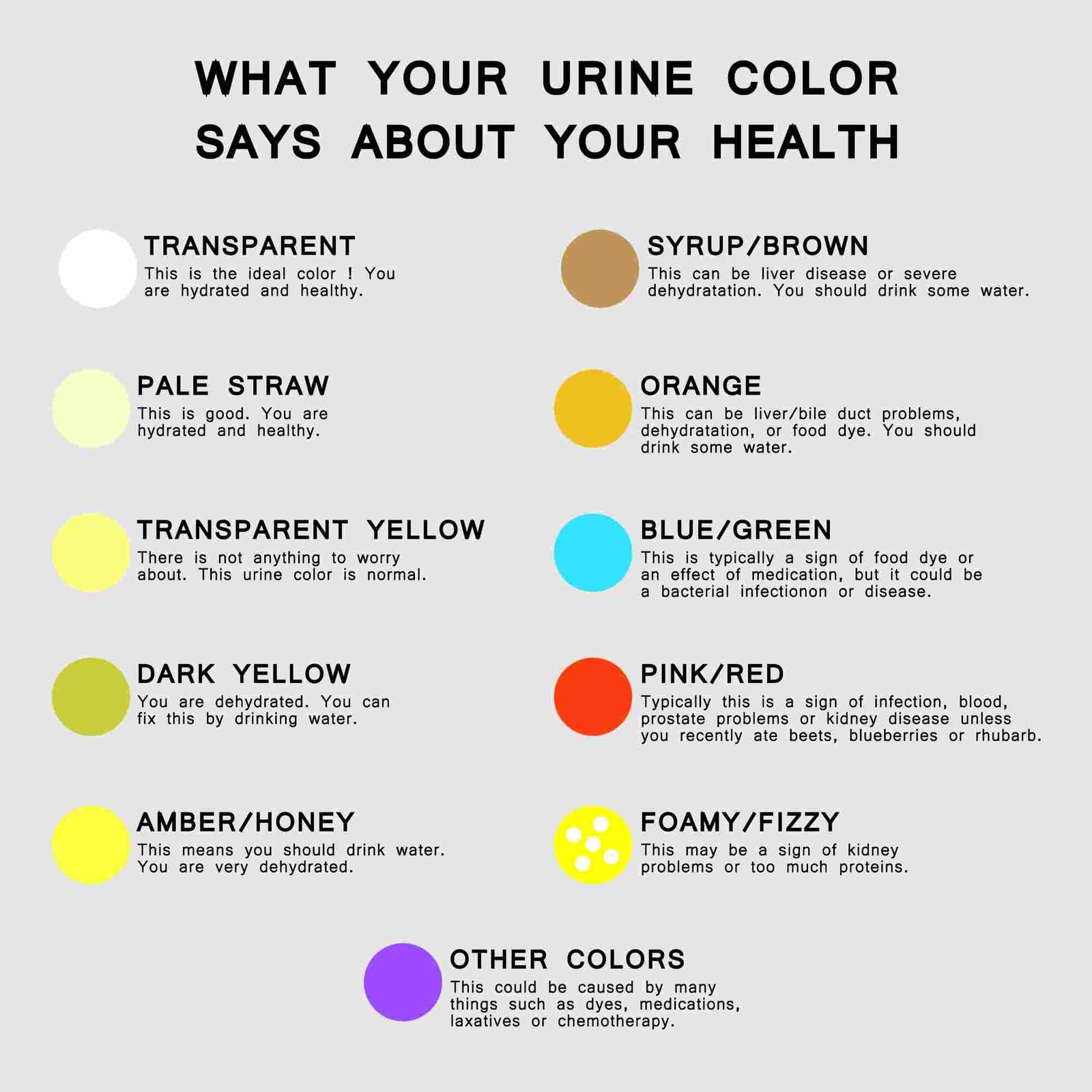
Additional symptoms of dehydration are:
Thirst (You are already 1-2 percent dehydrated by the time you are thirsty!)
Dry mouth or cottonmouth, Headache, Dizziness or lightheadedness, Feeling tired or slow, Brain fog (inability to concentrate).
Your Best Water Questions, Answered (FAQ)
The confusion actually comes in here. Let's clear it up.
Should coffee or tea be considered water?
Yes! It is the second-largest myth following the rule of 8x8.
Though caffeine is a little diuretic (it causes you to pee a little more), the quantity of water in a normal cup of coffee or tea compensates that small action in a much greater way. In the case of moderate drinkers, what you are having every day in your cup of joe is helping you hydrate.
What of seltzer, sparkling water, or diet sodas?
Yes, these also count. Liquid is liquid. What should be noticed here is not the issue of hydration but other ingredients. Seltzers are great. The sweet sodas and juices will also keep you hydrated, but they also inject a ton of sugar and empty calories into your body.
"Do I have to drink plain water? I hate it!"
Nope! This is the best news of all. Much of your water consumption belongs to... food!
Think about it:
Watermelon and Strawberries: 92 percent water.
Cucumber: 95% water
Oranges: 88% water
Foods, such as yogurt, soups, and even stews, contain water.
Therefore, when you are consuming a diet that is very high in fruits and vegetables, you are already doing a marvelous job of hydrating.
Urine Color Chart: What the Shades Mean
Here's a breakdown based on the widely accepted Armstrong 8-color scale:
| Color Level | Description | Hydration Status | Action Needed |
|---|---|---|---|
| 1 | Almost clear / very pale straw | Well hydrated (possibly overhydrated if persistent) | Maintain current intake |
| 2-3 | Pale yellow / lemonade color | Optimally hydrated | You're doing great - keep it up! |
| 4 | Yellow | Slightly dehydrated | Start drinking more water now |
| 5-6 | Dark yellow / amber | Moderately dehydrated | Drink water immediately (500-1000ml) |
| 7-8 | Brownish-green / dark orange | Severely dehydrated | Hydrate urgently + seek medical help if symptoms present |